
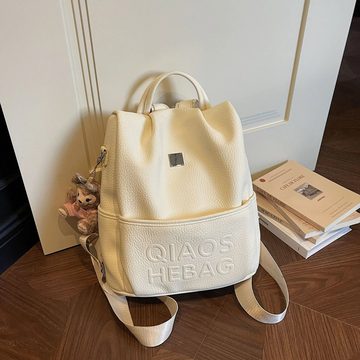
Cream drawstring backpack with an embossed front
Soft pebbled finish, a cinch top under the flap and a short grab handle; one photo stages it on a sofa beside a plush charm.
Haul Tray / Rucksack rail
Ten backpacks picked from the catalogue on 20 October 2026, each with a note written from its own photos. Below the cards: what a rucksack listing usually tells you, which option to pick when you hand the link over, and what a rucksack does to the size of a parcel.
Most backpacks in the catalogue belong to one of three families, and the family decides more about daily use than the pattern does. Flap packs, like the navy coated-canvas one and the black grained one on this rail, close with a lid that drops over a drawstring mouth. They swallow awkward shapes and forgive overfilling, but you open two things to reach anything. Zip packs open along a curved track, which makes them quick to rummage in and keeps a laptop sleeve flat against your back. Drawstring packs, such as the cream one here, are the softest of the three and the easiest to squash into a box.
The photos tell you which family you are looking at within a second. What they rarely show is how the back panel feels, whether the straps are padded, or how deep the bag is from front to back. Those are the details to hunt for in the extra photos, and to ask the shop about when it offers none.
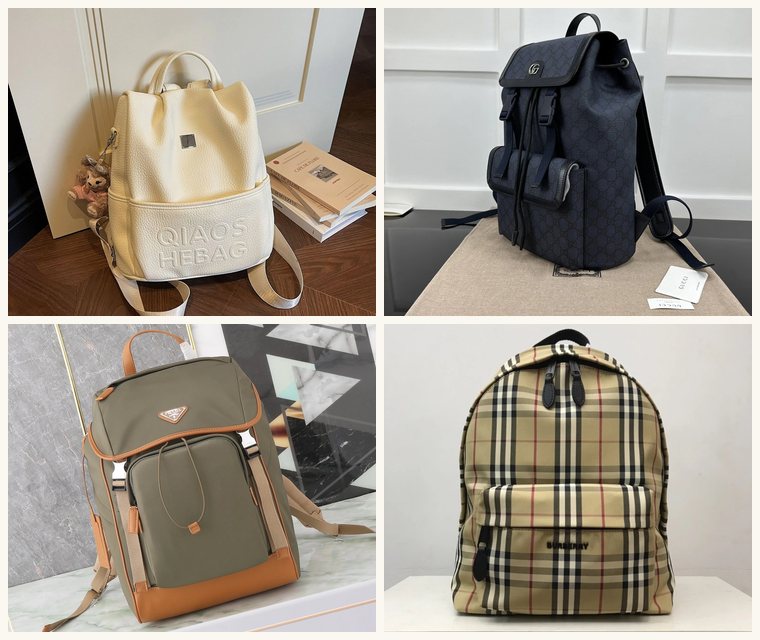
Single bags sit next to seller collages that show one shape in several colours. Where a card shows a grid, the price is the figure the catalogue gave for the listing as a whole; the shop may charge a little more or less for each colour, so check the option menu on its page.
Soft pebbled finish, a cinch top under the flap and a short grab handle; one photo stages it on a sofa beside a plush charm.
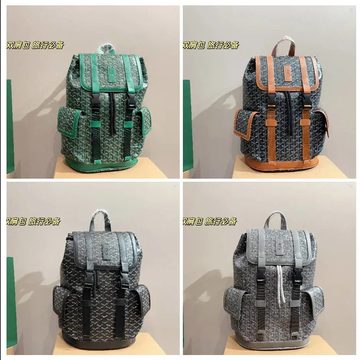
Green, tan, black and grey versions of one shape, each with twin front pockets and leather-look edging.
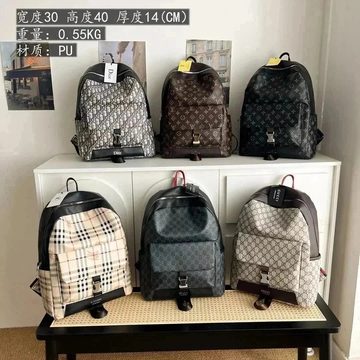
A shop shelf of six zip packs. The photo carries the seller's own size label, which is worth reading before you choose.
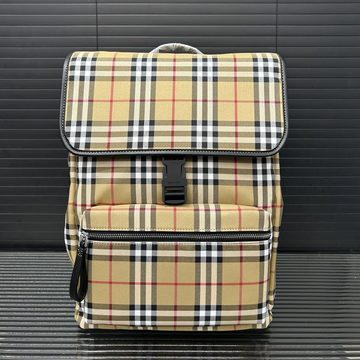
A front buckle over the flap, a zipped pocket below it and a black grab loop on top.
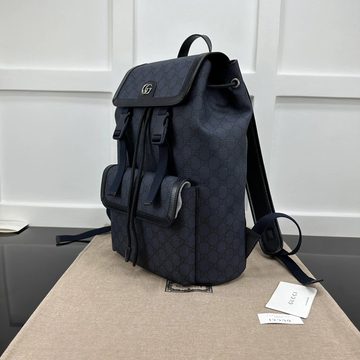
Two bellows pockets, a drawstring mouth and leather-look pulls, photographed on a padded stool.
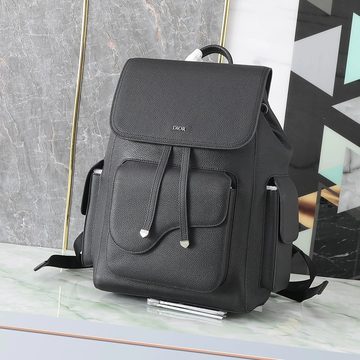
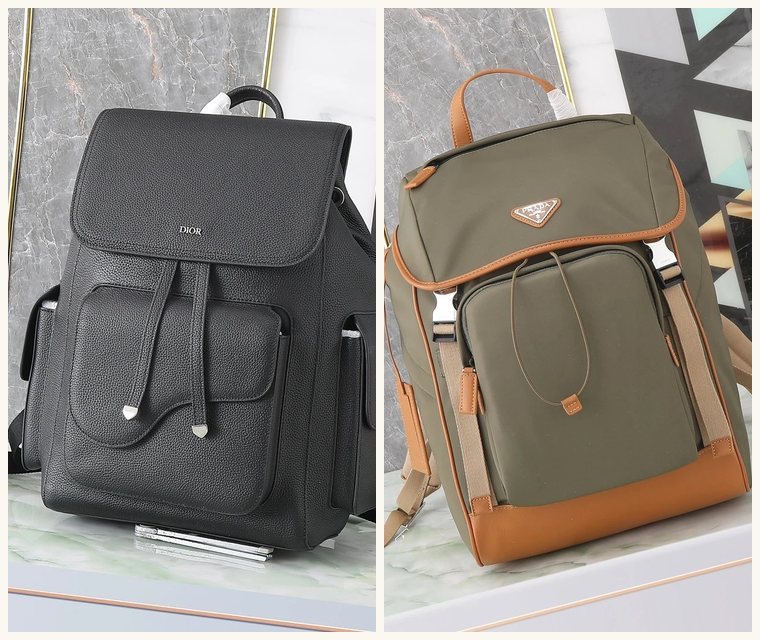
Grained black finish, a metal clasp on the flap and slim pockets running down both sides.
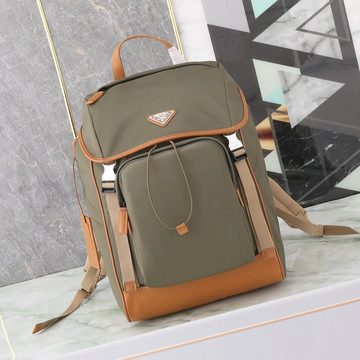
Olive body, tan edging round the panels and a zipped front pocket with a pull tab.
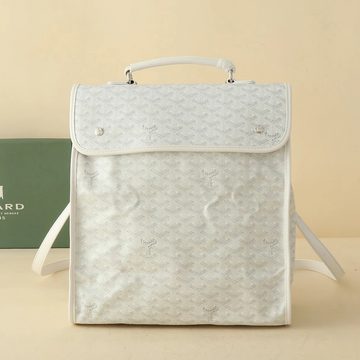
A flat, boxy outline, an all-over printed pattern and one rolled handle across the top.
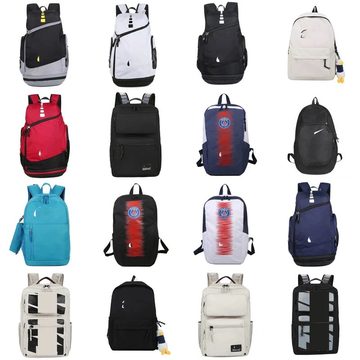
A seller collage of padded zip packs in black, white, red and blue. Ask which colour the shown price belongs to.
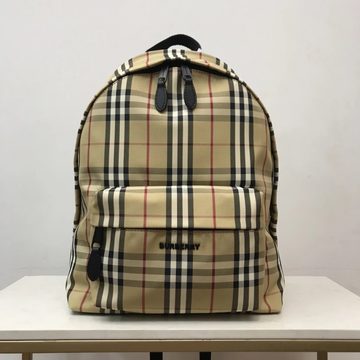
Rounded zip top, one front pocket and a beige check running over every panel.
Backpack sellers tend to shoot the front, a three-quarter view and, if you are lucky, the inside. The front shot sells the pattern. The three-quarter view is where you learn how deep the bag is and whether the side pockets are real pockets or flat panels stitched on for looks. On zip packs the same angle shows where the zip track stops, which tells you how wide the bag will open.
Look at the straps in every photo you get. A strap that sits flat and wide usually has foam inside; a thin, folded strap usually does not, and on a pack you mean to fill with books that difference is felt by lunchtime. Check the hardware too. The buckle on a flap pack and the clasp on the black grained one are the parts that take the strain each time the bag is opened.
When a listing has only one photo, as several collages here do, the agent's warehouse photos become your first proper look at the bag. That is no reason to skip a listing, but it is a reason to wait before adding a second rucksack from the same shop until the first one has been photographed.
Backpack listings on Chinese marketplaces often bundle many variants under one page: colours, sometimes sizes, and now and then a version with or without a laptop sleeve. Option names are usually short Chinese phrases, and the colour name in a menu does not always match the photo you fell for. When you pass a link to an agent, describe the option in plain words as well, for example "olive with tan trim, the one in the second photo", so that whoever places the order can match it against the seller's picture instead of a translated label.
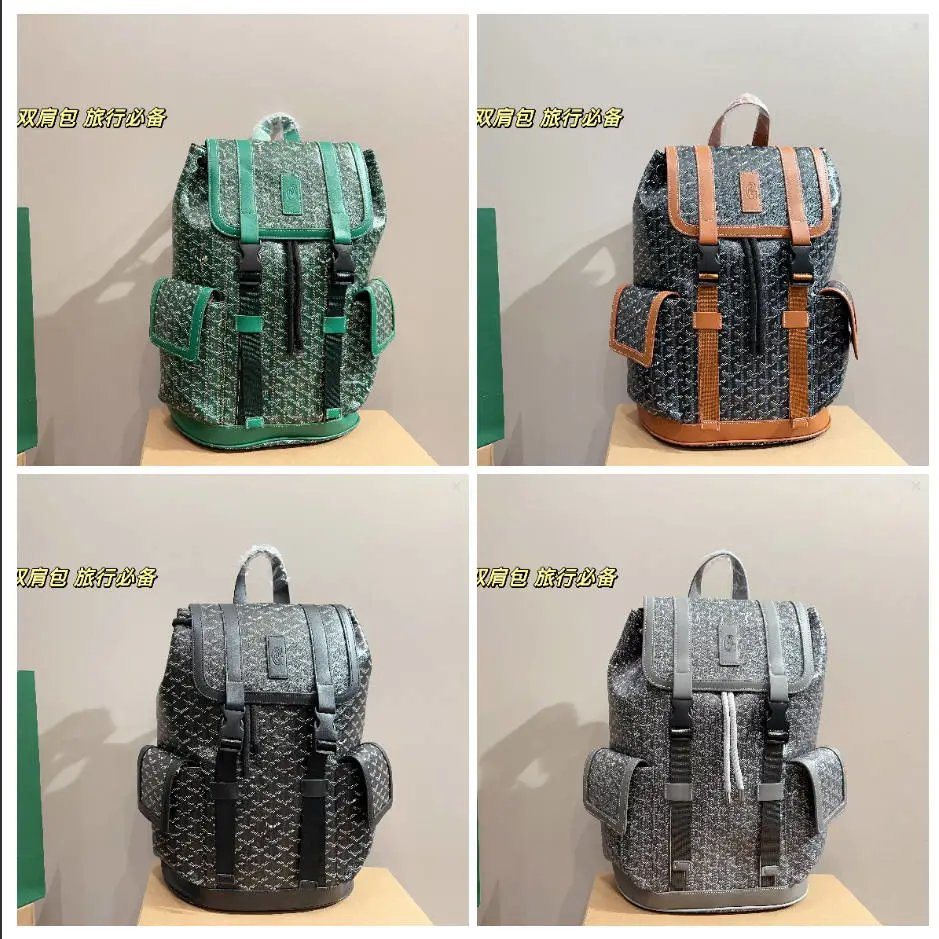
The four-colour flap backpack on this rail shows why. The same shape comes in green, tan, black and grey, and the menu on a page like this may list them in a different order from the photos. If the two disagree, go by the photo. The tray keeps the link; your own note keeps the choice, so paste the copied links somewhere you can write beside them before you start an order.
A rucksack is mostly air. Empty, a soft drawstring pack folds nearly flat, while a flap pack with a stiff base or a boxy squared pack keeps its shape however hard you press. That matters because, in the shipping notes AllChinaBuy published, light but bulky goods on most air routes could be charged by volume weight instead of actual weight, so a box sized for a rigid bag can cost more than the bag's weight suggests.
The habit worth forming is to fill the rucksack itself. Socks, a hoodie or a pair of slides packed inside a backpack take no extra room in the box. Whether a warehouse will pack that way depends on the agent and the packing choices it offers, so ask rather than assume.
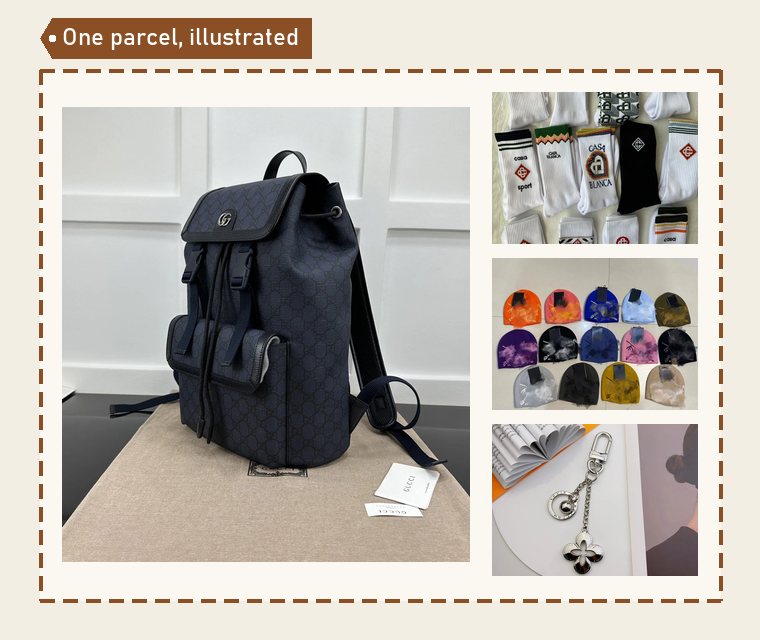
The parcel page sets out the volume-weight formula and the side-length limit as AllChinaBuy worded them.