Braided loop key ring in brown
A plaited leather-look loop on gold rings, photographed beside an orange balloon-dog figure.
Haul Tray / Haul catalogue
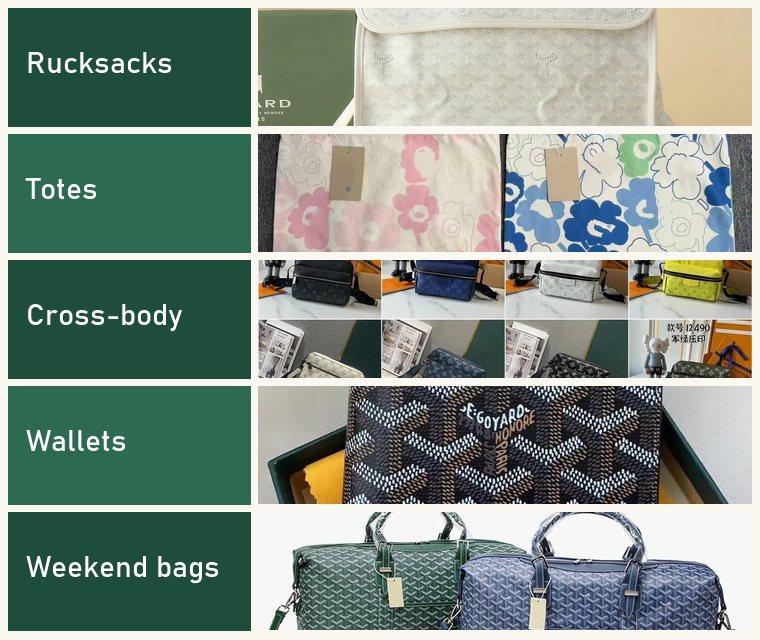
Every product shelf in one place. Bags get the most room: five rails of ten entries each. Below them come the light extras that so often join a bag parcel, each with a + Tray button, and then every other shelf with a line on how it behaves in a mixed box.
These sixteen direct entrances match the home page. Start with the item you want, then use the buying notes below to check its size, seller and parcel requirements.
 SneakersDecide whether the shoe box needs to travel with the pair.
 Jackets & coatsA padded coat can dominate the volume of a bag-heavy parcel.
 HoodiesConfirm the garment, then ask whether it can share the planned packing.
 T-shirtsFolded tees are compact, but prints still need protection from hardware.
 JeansDenim adds weight; compare the finished parcel rather than item price alone.
 SweatpantsCheck fabric and lining, which affect the space a folded pair takes.
 WomenswearChoose a particular listing from the search before planning the parcel.
 JerseysRecord any personalised details before the agent submits the order.
 BagsStart with dimensions, structure, handle attachments and the inside view.
 HatsA shaped crown needs different support from a soft beanie.
 BeltsProtect buckles so they cannot rub against another item in the box.
 EyewearKeep fragile frames separate from heavy hardware inside the parcel.
 PerfumeCheck liquid acceptance before letting a bottle change the whole route.
 JewelrySmall pieces need secure packaging and a check of cover exclusions.
 WatchesDiscuss the actual contents and battery with the intended shipping service.
 ElectronicsCheck batteries, plugs and protection before adding a device to the haul.
Each bag rail has a page of its own with ten entries, the notes behind them and some reading on what that kind of bag needs from a listing. Start with whichever shape you carry most.
Every card on the rails opens the product page in the catalogue and carries the same + Tray button, so a haul can be gathered across all five without losing track.
Thirteen pieces from seven shelves that weigh little and squash well: key rings, socks, slides, knitted hats, scarves, hoodies and one pair of headphones. They are the things people add once the main bag is chosen, and they fill the gaps round a stiff bag in a box. They go into the tray the same way as the bags.
A plaited leather-look loop on gold rings, photographed beside an orange balloon-dog figure.

A clip-on silver ring carrying a round charm and a black-and-silver flower.
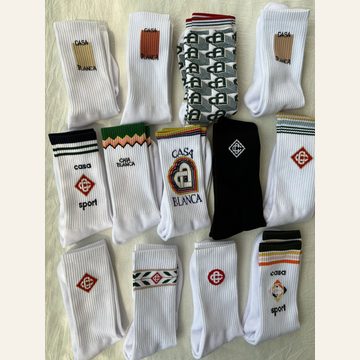
White crew socks with knitted graphics and stripes, plus one black pair in the mix.

Thick ribbed socks in white, blue and black, each with a small woven patch, still bagged.

Puffy quilted straps on a flat pink slide, photographed on foot.
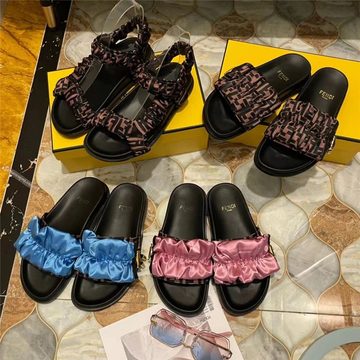
Flat slides with printed bands, plus two ruffled satin versions in blue and pink.
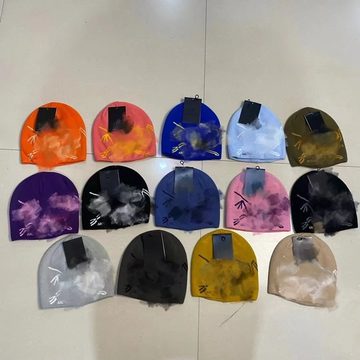
Cuffed knit beanies in tie-dye colourways, sold colour by colour.
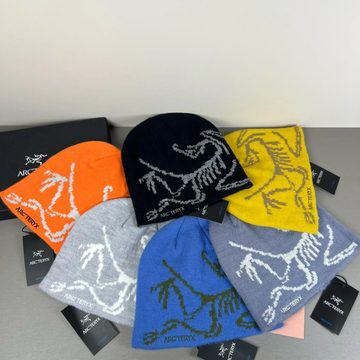
Knit beanies in orange, black, yellow, grey and blue with a looping white line motif.
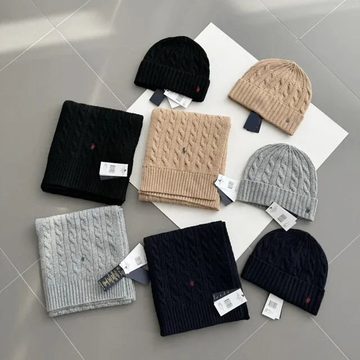
Soft cable-knit scarves with matching hats in black, beige and grey.
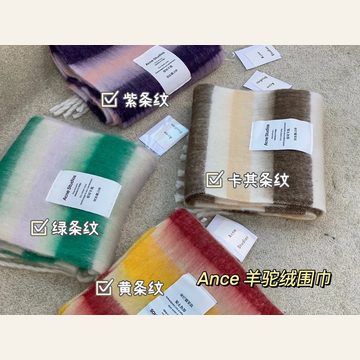
Fluffy scarves in bold stripes, each colourway labelled on the photo.
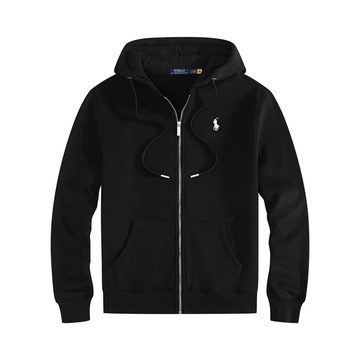
A plain black full-zip hoodie with drawcords and a small chest emblem.
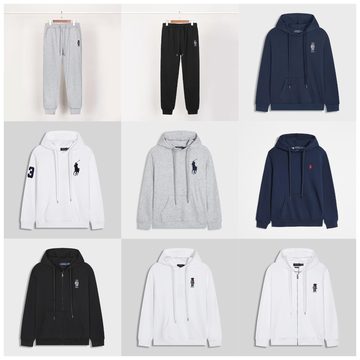
Grey, navy, white and black zip hoodies with matching joggers, nine photos in all.
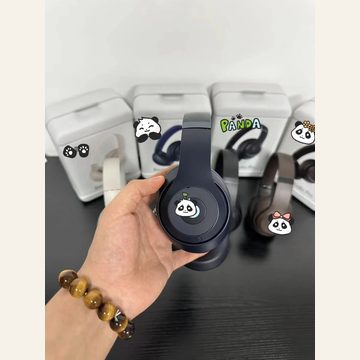
Over-ear headphones with a panda motif, with boxed earbuds stacked behind.
The remaining shelves do not have rails of their own here, but each one opens in the product catalogue, and each has a note on how it tends to behave next to bags in a parcel.
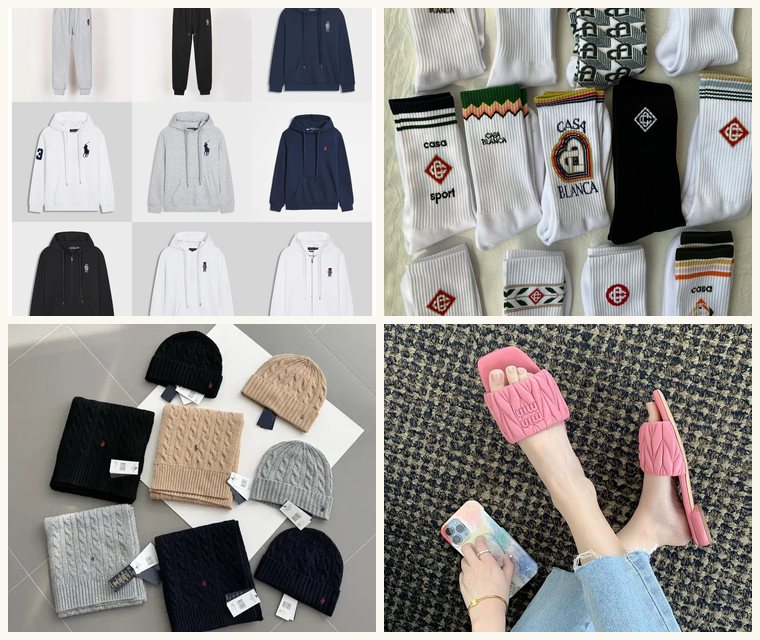
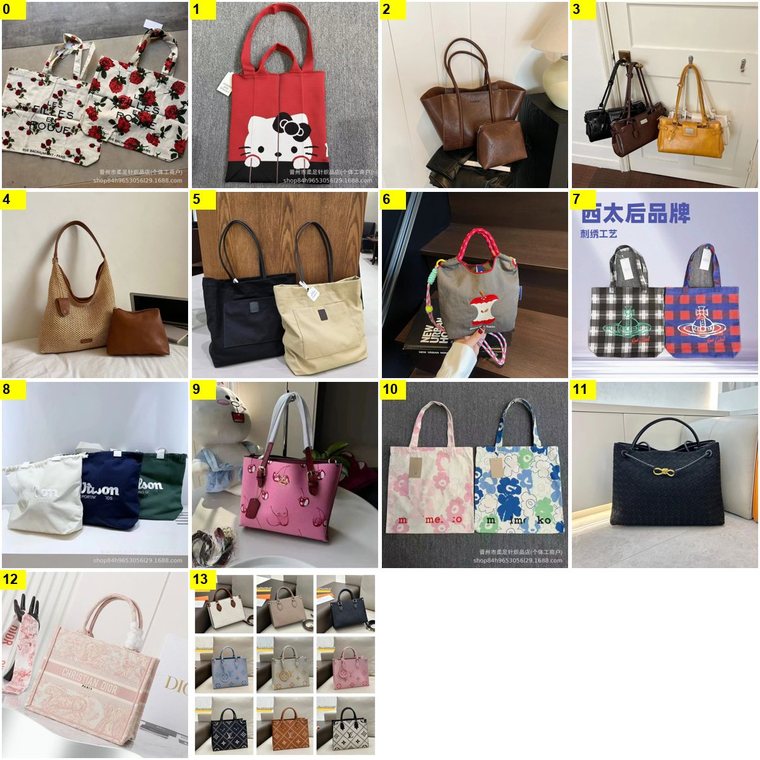
Why use this spreadsheet rather than another? Mostly because of how it is kept. Every entry was chosen by looking at its photos, not by copying a feed: we read the catalogue's bag shelves on 20 October 2026, laid out the candidates on numbered photo grids like the one shown, and picked ten per rail for a spread of shapes and for photos that show the bag clearly.
Each title and note was then written from the photo, without brand names, and each price is printed with the date it was read. Dead links are the main way a catalogue goes stale, so links are opened again at every revision and replaced or removed when they fail; the revisions page records when that happened.